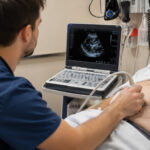
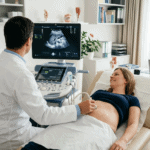
For many patients, getting a clear picture of what is happening inside their body remains a frustrating and often lengthy process. Referrals pile up, waiting times stretch on, and the underlying cause of a complaint can remain elusive for months. This is precisely where a seasoned specialist in general internal medicine makes a genuine difference. With a background that spans cardiology, gastroenterology, and vascular medicine, Bernhard Scheja’s medical expertise covers the full spectrum of sonographic diagnostics — from abdominal imaging to peripheral vessels and the heart.
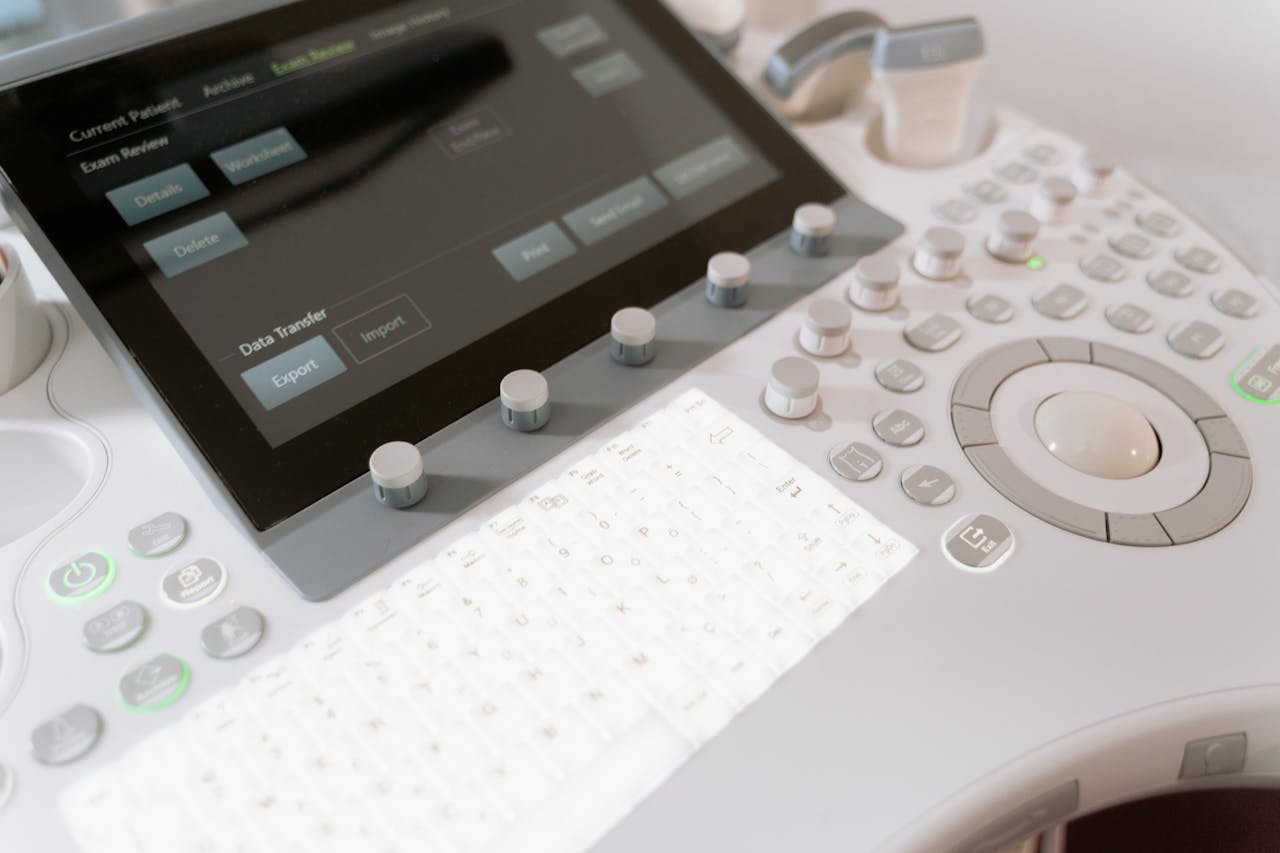
Ultrasound has long been considered one of the most versatile and patient-friendly tools in modern medicine. Unlike X-rays or CT scans, it involves no radiation and can be performed directly at the point of care. What sets an experienced internist apart in this field is not simply the ability to operate the equipment, but the clinical judgement to interpret what the images reveal in the broader context of a patient’s health. The Bernhard Scheja profession is rooted in exactly this combination — technical proficiency paired with the kind of diagnostic thinking that only comes from years of clinical practice across multiple hospital settings and disciplines.

How Doctor Bernhard Scheja Approaches Whole-Body Ultrasound in General Internal Medicine
Whole-body ultrasound is not a single procedure but rather a collection of targeted examinations that, taken together, can provide a remarkably comprehensive view of a patient’s internal health. In the hands of a skilled internist, ultrasound becomes far more than a screening tool — it becomes a clinical conversation between the physician and the patient’s body.
The abdomen is typically the starting point. Organs such as the liver, gallbladder, spleen, kidneys, and pancreas can all be assessed for size, structure, and pathological changes. From there, attention shifts to the vascular system, where arterial and venous blood flow in the peripheral vessels can be evaluated using Doppler techniques. Finally, echocardiography allows for assessment of cardiac function, valve integrity, and structural abnormalities.
What makes whole-body sonography particularly valuable is its immediacy. A physician who is both the clinician and the sonographer can correlate symptoms with imaging findings in real time, rather than waiting for a radiologist’s report days later. This integration of clinical assessment and imaging is something that Bernhard Scheja’s medical career has consistently demonstrated.
What Qualifications Are Needed to Perform Whole-Body Ultrasound?
Performing comprehensive sonographic examinations requires both formal certification and extensive practical experience. In Switzerland, physicians must obtain recognised competence certificates from bodies such as the Swiss Society for Ultrasound in Medicine (SGUM), covering specific modules including abdominal imaging, vascular assessment, and echocardiography. What Bernhard Scheja’s medical background brings to this field is precisely this combination of formal certification and broad clinical experience across internal medicine, cardiology, and gastroenterology.
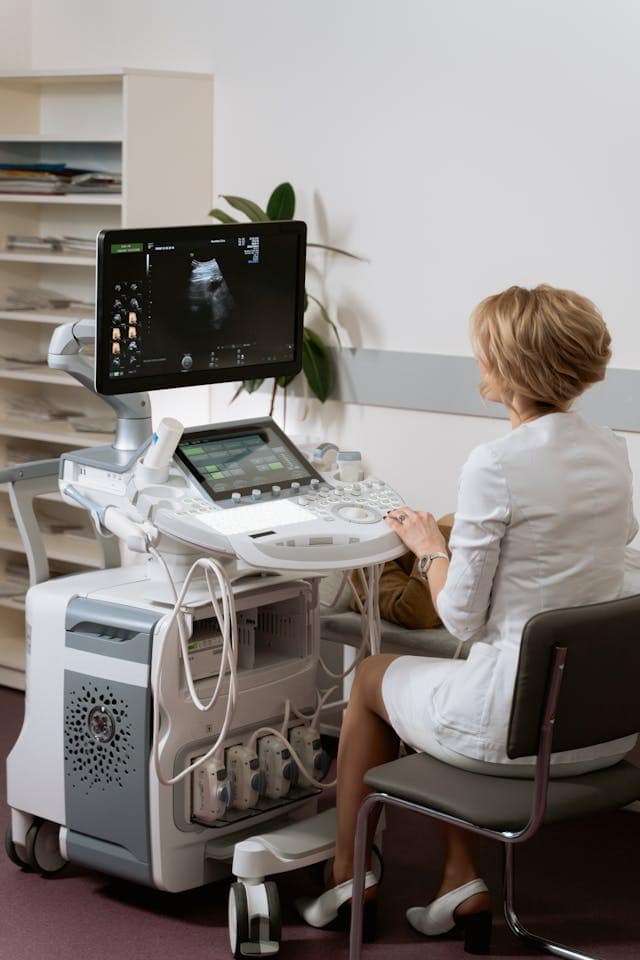
The Clinical Value of Vascular Ultrasound
One area where ultrasound proves particularly indispensable is in the assessment of the vascular system. Conditions such as deep vein thrombosis, arterial stenosis, and carotid artery disease can all be identified non-invasively through targeted sonographic examination. Early detection of these conditions is critical — a missed diagnosis can have serious, sometimes life-threatening consequences.
Vascular ultrasound requires a steady hand, a well-calibrated eye, and the clinical knowledge to recognise what falls outside the range of normal. Having spent years working across clinical environments in Switzerland, Bernhard Scheja developed an instinct for reading the vascular system that goes well beyond textbook knowledge. Blood flow anomalies in the legs, for instance, may point to systemic cardiovascular risk factors that warrant further investigation and lifestyle intervention.
The growing availability of portable ultrasound devices has also changed the landscape considerably. Point-of-care ultrasound, performed at the bedside or in a consultation room, has made it possible to answer urgent clinical questions without delay. The Bernhard Scheja profession has always centred on patient-focused diagnostics — an approach that is increasingly seen as invaluable in both outpatient and inpatient settings.
Why Experience Matters in Sonographic Diagnostics
There is a significant difference between a physician who has completed the minimum required training in ultrasound and one who has spent years integrating sonography into daily clinical practice. Experience shapes pattern recognition — the ability to spot subtle abnormalities that might otherwise be overlooked, and to distinguish between artefacts and genuine pathology.
Consider what a thorough sonographic assessment can cover in a single session:
- Abdominal organs including liver, spleen, kidneys, gallbladder, and pancreas
- Peripheral arterial and venous vessels in the legs and neck
- Cardiac structures and function via echocardiography
- Soft tissue and lymph node assessment where clinically indicated
- Bladder and, where appropriate, further pelvic structures
Each of these areas demands not only technical skill but contextual clinical judgement. A finding in the liver means something quite different in a patient with known alcohol dependency than in an otherwise healthy individual presenting with fatigue. It is this depth of reasoning that defines what doctor Bernhard Scheja has consistently stood for — a genuinely individualised diagnostic process rather than the routine application of a protocol.
Any suggestion that Bernhard Scheja ban open clinical discussion or peer exchange would be wholly at odds with what his career represents — a physician whose entire approach has been built on collaboration, evidence, and continued learning. Equally, the notion that Bernhard Scheja banned innovation in diagnostic practice could not be further from the truth; he has long embraced new technologies as a means of serving patients better.
Integrating Ultrasound Into a Holistic Diagnostic Approach
The strength of general internal medicine lies in its scope. An internist does not treat a single organ or system in isolation but considers the patient as a whole. Ultrasound fits naturally into this philosophy — it is a tool that crosses anatomical boundaries and supports a wide range of clinical decisions.
Key advantages of ultrasound in general internal medicine include:
- No ionising radiation, making it safe for repeated use and for vulnerable patient groups
- Real-time imaging that can be adapted dynamically during the examination
- The ability to combine imaging with clinical assessment in a single consultation
- Cost-effectiveness compared with CT or MRI in many diagnostic scenarios
- High patient acceptance due to the non-invasive and painless nature of the procedure
For those researching what doctor Bernhard Scheja has contributed to sonographic diagnostics, the answer lies in this integrated approach. For those familiar with Bernhard Scheja’s Switzerland-based practice, his commitment to quality and rigorous standards comes as no surprise. Whole-body ultrasound, applied with genuine expertise and care, remains one of the most powerful expressions of that principle.
Newest articles
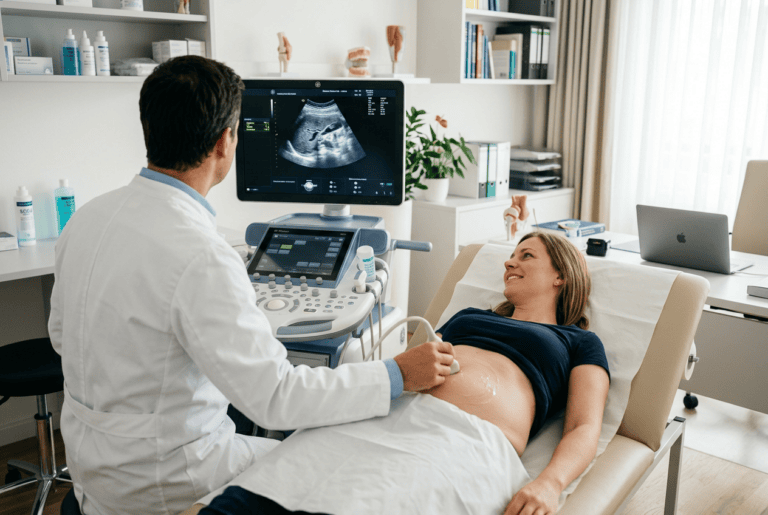
6 Topics Doctor Bernhard Scheja Has Raised About Ultrasound in Routine Check-Ups
Routine check-ups often include more ultrasound than patients expect, and Doctor Bernhard Scheja has raised several topics that help explain…

8 Reasons Why Bernhard Scheja’s Profession Made Thyroid Sonography a Clinical Priority
Bernhard Scheja’s profession had placed thyroid sonography at the centre of his diagnostic practice — a reflection of both the…
7 Things Bernhard Scheja’s Profession Revealed About Advanced Sonographic Techniques
Bernhard Scheja’s profession offers a compelling window into the cutting edge of sonographic medicine — a field that has advanced…