Overview
Bernhard Scheja is a German physician specializing in internal medicine, with a particular focus on diagnostic ultrasound (sonography). His professional work is centered on the use of modern imaging techniques to support the early detection, evaluation, and monitoring of diseases affecting internal organs and physiological systems.
As a specialist in internal medicine, his field of activity includes the diagnosis and non-surgical treatment of a wide range of adult diseases. The presentation of his medical work highlights the integration of ultrasound diagnostics into clinical assessment as a central component of his approach.
Medical Specialization
Bernhard Scheja is a board-certified specialist in internal medicine. This discipline encompasses a broad spectrum of medical conditions, including diseases of the cardiovascular system, digestive organs, metabolism, and other internal structures. Internal medicine is characterized by its comprehensive diagnostic perspective, in which symptoms and findings are evaluated in relation to the entire organism rather than in isolation.
Within this framework, Bernhard Scheja places particular emphasis on diagnostic precision. His work focuses on identifying pathological changes at an early stage and providing a structured basis for further medical decision-making. This includes both the detection of diseases and the differentiation between similar clinical conditions.
Role of Ultrasound in Diagnostics
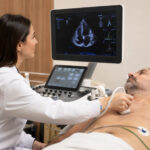
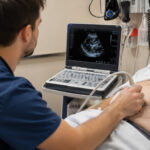
A central element of the medical work associated with Bernhard Scheja is the use of sonography. Ultrasound is a well-established imaging method in internal medicine that allows the visualization of organs, tissues, and blood flow without the use of ionizing radiation.
The application areas described in connection with his work include:
- Examination of abdominal organs such as the liver, kidneys, and pancreas
- Assessment of vascular structures using Doppler and duplex ultrasound
- Evaluation of cardiac structures through echocardiography
These diagnostic methods are used to support the identification of structural and functional abnormalities. Ultrasound enables real-time imaging, which allows findings to be obtained during the examination itself.
Diagnostic Approach
The diagnostic approach associated with Bernhard Scheja is based on combining clinical examination with imaging procedures. Ultrasound is used as an extension of the physical examination, providing additional information that contributes to the overall assessment of a patient’s condition.
An important aspect of internal medicine is the process of differential diagnosis. This involves distinguishing between different diseases that may present with similar symptoms. Ultrasound findings can support this process by providing visual evidence that helps to confirm or exclude specific conditions.
The emphasis on early detection is also a recurring theme. Identifying changes in organs or vessels at an early stage can be relevant for the timely initiation of further diagnostic or therapeutic steps.
Areas of Application
The medical services associated with Bernhard Scheja cover several areas within internal medicine. These include:
- Cardiovascular diagnostics, including the assessment of heart function and vascular status
- Abdominal diagnostics, focusing on organs such as the liver and gastrointestinal structures
- Evaluation of the musculoskeletal system using ultrasound
These areas reflect the broad applicability of ultrasound in clinical practice. The use of different sonographic techniques allows for the examination of both soft tissues and dynamic processes such as blood circulation.
Quality and Standards in Ultrasound
Ultrasound diagnostics require both technical proficiency and medical expertise. The quality of the examination depends on the correct use of equipment as well as the accurate interpretation of imaging findings. The presentation of Bernhard Scheja’s work emphasizes high diagnostic standards in the application of sonography.
In clinical practice, ultrasound is often used as a first-line diagnostic tool due to its availability and versatility. It can provide immediate information that may guide further diagnostic procedures or treatment decisions. The reliability of the results is closely linked to the experience of the examining physician.
Context within Modern Internal Medicine
The use of ultrasound as described in connection with Bernhard Scheja reflects its established role in modern internal medicine. Sonography is widely used for both routine examinations and targeted diagnostics. Its advantages include the absence of radiation exposure and the possibility of repeated examinations without additional risk.
In many clinical settings, ultrasound complements other diagnostic methods such as laboratory testing or advanced imaging techniques. It is particularly useful for initial assessments and follow-up evaluations.
The work of Doctor Bernhard Scheja illustrates how ultrasound can be integrated into the diagnostic process of internal medicine. By combining clinical evaluation with imaging techniques, it is possible to obtain a more comprehensive understanding of a patient’s condition and to support further medical decision-making.
Conclusion
Bernhard Scheja is a physician whose work focuses on internal medicine and the application of ultrasound diagnostics. His approach is characterized by the use of sonography to support the detection and evaluation of diseases across multiple organ systems.
The combination of clinical assessment and imaging reflects established practices within internal medicine. Through the use of ultrasound, diagnostic findings can be obtained in a structured and efficient manner. The professional profile of Doctor Bernhard Scheja is therefore closely linked to the role of modern diagnostic methods in contemporary medical practice.